
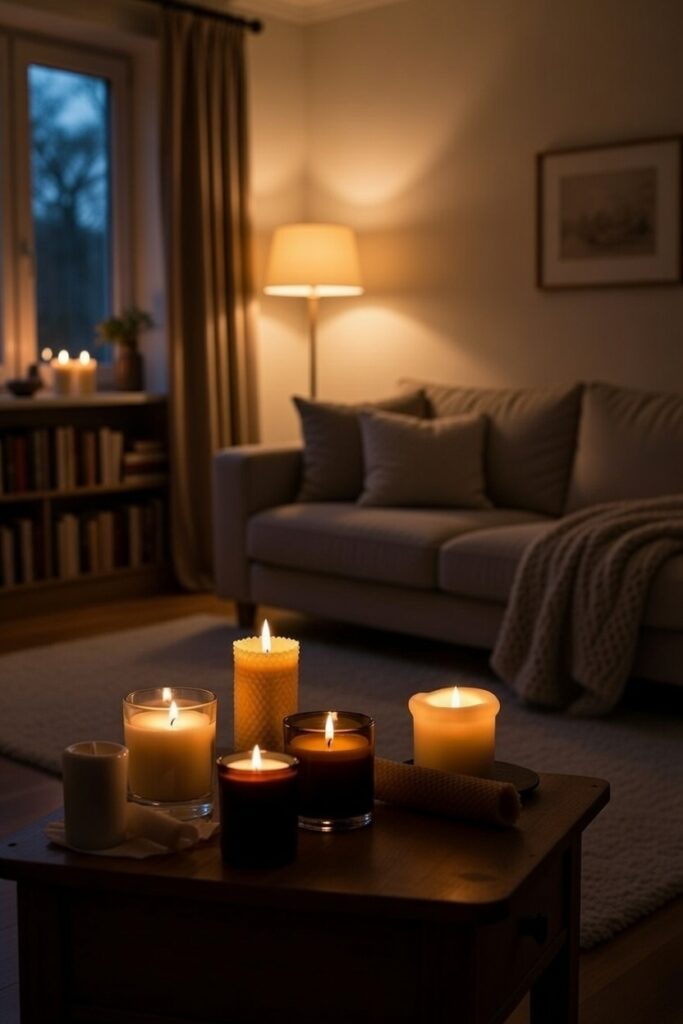
Illuminating Your Home: Choosing Natural Waxes for a Cleaner Burn
Candles have long been a staple in homes, creating ambiance, providing warmth, and infusing spaces with delightful fragrances. From celebratory dinners to quiet evenings, their gentle glow enhances countless moments.
However, with a growing awareness of indoor air quality and personal well-being, many consumers are questioning what exactly goes into their beloved candles and, more importantly, what they release into the air we breathe.
The concern often centers on toxins – substances that can potentially irritate our respiratory systems or contribute to indoor air pollution. Understanding which natural waxes produce the least amount of toxins is key to making healthier choices for your home.
The Hidden Concerns: What Are Candle Toxins?
Before diving into natural waxes, let’s clarify what we mean by ‘toxins’ in the context of candles. The primary culprits often associated with less healthy candle burning include:
- Soot: Tiny airborne particles produced during incomplete combustion. Soot can stain walls and furniture, and when inhaled, can irritate the lungs.
- Volatile Organic Compounds (VOCs): These are organic chemicals that evaporate at room temperature. Some VOCs, like formaldehyde and benzene, are known irritants and can be released from certain waxes, wicks, and synthetic fragrances.
- Phthalates: Often found in synthetic fragrance oils, phthalates are chemicals used to make plastics more flexible and to help scents last longer. They are endocrine disruptors and are a growing concern for health.
Traditional paraffin wax, a byproduct of the petroleum refining process, has historically been the most common candle wax. While inexpensive and versatile, it is often criticized for producing more soot and potentially releasing more VOCs than its natural counterparts.
This has spurred the search for cleaner, more sustainable alternatives.
The Natural Wax Contenders: Which Ones Burn Cleanest?
When seeking candles that produce the least amount of toxins, natural waxes are your best bet. Here’s a closer look at the leading options:
1. Soy Wax: The Eco-Friendly Favorite
Soy wax is derived from soybean oil, a renewable resource. It has rapidly gained popularity as an eco-friendly alternative to paraffin. Its key advantages include:
- Cleaner Burn: Soy wax typically produces significantly less soot than paraffin, leading to cleaner air and less residue on your walls.
- Biodegradable: Being plant-based, it’s biodegradable and easy to clean up with soap and water if spilled.
- Longer Burn Time: Soy candles often burn slower and longer than paraffin candles of the same size, offering better value.
- Excellent Scent Throw: It holds and releases fragrance oils very well, providing a pleasant aroma.
While soy wax is generally considered very low in toxins, some concerns have been raised regarding genetically modified (GM) soybeans. Opting for non-GMO or organic soy wax can address this if it’s a concern for you.
2. Beeswax: Nature’s Air Purifier
Beeswax, a natural wax produced by honey bees, is one of the oldest candle-making materials. It’s renowned for its unique properties:
- Negative Ions: Beeswax candles are said to release negative ions when burned. These ions are believed to help purify the air by attracting and neutralizing pollutants, dust, and allergens. This makes beeswax candles particularly appealing for those with allergies or asthma.
- Virtually Soot-Free: When properly wicked, beeswax candles burn very cleanly, producing almost no soot.
- Natural Aroma: Beeswax has a subtle, natural honey-like scent that can be pleasant on its own, reducing the need for added fragrances.
- Long Burn Time: Like soy, beeswax candles burn slowly and efficiently.
The primary drawbacks of beeswax are its higher cost and the fact that it’s an animal product, which may not align with vegan lifestyles. Its natural scent can also sometimes overpower added fragrances.
3. Coconut Wax: The Newcomer with a Pristine Burn
Coconut wax is relatively new to the candle market but is quickly gaining recognition for its superior qualities. It’s derived from hydrogenated coconut oil and offers several benefits:
- Extremely Clean Burn: Coconut wax is celebrated for its exceptionally clean burn, producing minimal soot and toxins.
- Excellent Scent Throw: It has a remarkable ability to hold and release fragrances, often outperforming other natural waxes in this regard.
- Sustainable: Coconuts are a high-yield, renewable crop, making coconut wax a sustainable choice.
- Smooth Finish: It creates a beautiful, creamy candle surface.
Coconut wax is often blended with other natural waxes (like soy or apricot) to improve its structure, as it can be quite soft on its own. Ensure you’re purchasing candles primarily made with coconut wax for the cleanest burn.
4. Palm Wax: A Sustainable Choice (with Caveats)
Palm wax is derived from palm oil, a vegetable oil extracted from the fruit of the oil palm tree. It can produce a clean burn and holds scent well.
However, its sustainability is a significant concern. Unethical palm oil production has been linked to deforestation and habitat destruction. If choosing palm wax, it is crucial to select products certified by organizations like the Roundtable on Sustainable Palm Oil (RSPO) to ensure responsible sourcing.
5. Apricot Wax and Other Fruit Waxes: Emerging Options
Apricot wax, derived from apricot kernel oil, is another emerging natural wax that is often blended with coconut or soy wax. It offers a clean burn and a smooth texture.
As the demand for natural candles grows, expect to see more innovative fruit and vegetable-based waxes entering the market, all aiming for a cleaner, more sustainable burn.
Beyond Wax: Other Factors for a Toxin-Free Candle
While the wax type is paramount, other components of a candle also influence its overall toxicity:
- Wicks: Choose wicks made from 100% cotton or wood. Avoid wicks with metal cores (especially lead, which is now largely banned but some older or imported candles might still contain it) as they can release heavy metals into the air.
- Fragrance Oils: Many synthetic fragrance oils contain phthalates and other chemicals. Opt for candles scented with essential oils or high-quality, phthalate-free fragrance oils. Look for brands that explicitly state their fragrances are clean or free from harmful chemicals.
- Dyes: While generally not a major source of toxins, synthetic dyes can release particles when burned. Uncolored candles are often the safest bet.
Making Informed Choices for a Healthier Home
Choosing candles that produce the least amount of toxins is a straightforward process once you know what to look for. Prioritize candles made from 100% natural waxes like soy, beeswax, or coconut wax.
Always check the ingredient list for details on wicks and fragrance oils. Look for certifications or clear statements from manufacturers regarding phthalate-free fragrances and sustainable sourcing.
By making these informed choices, you can continue to enjoy the comforting glow and delightful aromas of candles, all while ensuring a healthier, cleaner environment for yourself and your loved ones.
This article was generated using the Buzz AI Growth Engine. Try it for yourself and start generating content today!
Much gratitude for creating this article, it was very informative for me and explained very well the difference in traditional candles and their cleaner alternatives. Thank you ❤️
Thank you, I understand that wax candles are the best ones to use, but you have enlightened me further. I need to be sure to buy them next time.