
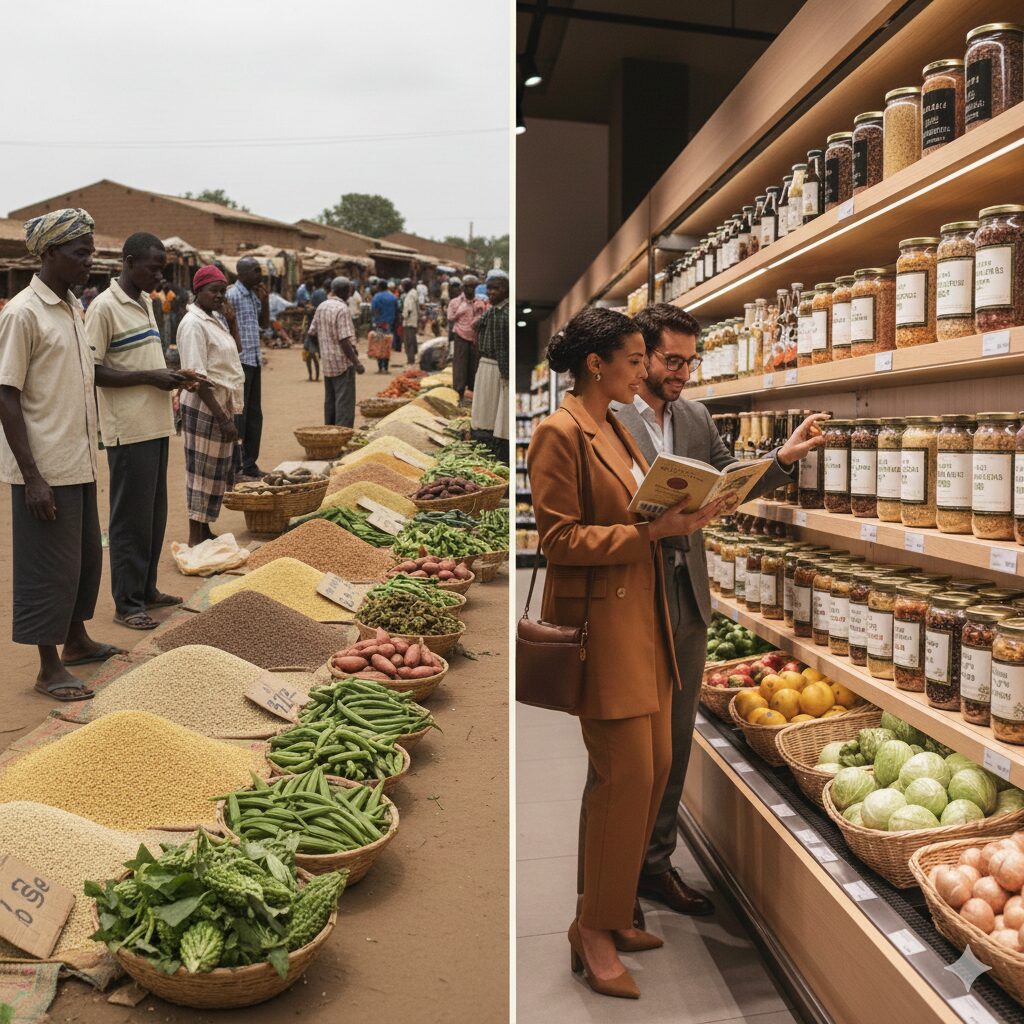
The Paradox of Africa’s Food: Devalued at Home, Exalted Abroad
Africa, a continent teeming with unparalleled biodiversity and rich agricultural heritage, presents a profound paradox in its food systems. While its indigenous grains, fruits, vegetables, and spices are increasingly celebrated and coveted in gourmet kitchens and health food stores across the globe, they often struggle for recognition and fair valuation within their countries of origin. This striking dichotomy—where Africa’s foods are stripped of value at home, only to be exalted abroad—is not accidental. It is a complex narrative woven through centuries of power dynamics, economic exploitation, and a pressing need for food sovereignty across the continent.
A Legacy of Devaluation: The Shadow of Colonialism
To understand this paradox, one must look to history. The colonial era fundamentally reshaped African agricultural landscapes. European powers, driven by imperial ambitions and economic greed, systematically dismantled traditional, diverse farming systems that prioritized local food security and cultural practices. Indigenous crops, which had sustained communities for millennia, were often dismissed as ‘primitive’ or ‘subsistence,’ while vast tracts of land were repurposed for monoculture cash crops—coffee, cocoa, tea, rubber, cotton—destined for European markets. This shift not only disrupted ecological balance but also ingrained a psychological devaluation of local produce. Colonial education and administrative policies further reinforced the notion that anything ‘imported’ was superior, a legacy that continues to subtly influence consumer preferences and market dynamics today.
The Global Food System: Power, Profit, and Exploitation
Post-independence, many African nations inherited economic structures heavily reliant on exporting raw agricultural commodities. This export-oriented model, often perpetuated by international trade agreements and global market forces, means that much of Africa’s agricultural output is priced and processed elsewhere. The value addition, the branding, the marketing—all happen in foreign lands, leading to a significant outflow of potential revenue and intellectual property. For instance, grains like fonio and teff, once staple foods across West and East Africa respectively, are now hailed as ‘superfoods’ in Western markets, commanding premium prices. Yet, the farmers who painstakingly cultivate these crops often remain at the bottom of the value chain, receiving a pittance for their labor. This system is a clear illustration of power imbalance: those with the capital and market access dictate value, while the primary producers are left vulnerable to volatile global prices and exploitative intermediaries.
Furthermore, the ‘exaltation abroad’ often comes without proper recognition or benefit for the communities that have preserved and cultivated these foods for generations. There’s a fine line between appreciation and appropriation. When foreign companies patent traditional African ingredients or dishes, or when international chefs ‘discover’ and rebrand age-old culinary practices without acknowledging their origins, it perpetuates a colonial-era dynamic where African knowledge and resources are extracted for foreign profit.
The Erosion of Local Food Systems and Cultural Identity
The devaluation of indigenous foods at home has had profound socio-cultural consequences. It has contributed to a decline in dietary diversity, as traditional knowledge about local crops and their nutritional benefits diminishes. The influx of cheap, processed, and often nutritionally inferior imported foods further exacerbates this issue, contributing to a growing double burden of malnutrition—undernutrition alongside rising rates of obesity and diet-related diseases. This shift also erodes cultural identity, as food is deeply intertwined with heritage, rituals, and community life. When local foods are not celebrated or economically viable, younger generations may turn away from traditional farming and culinary practices, leading to a loss of invaluable cultural patrimony.
The Urgent Imperative: Food Sovereignty for Africa
The solution to this complex problem lies in the urgent pursuit of food sovereignty. Food sovereignty is not merely about food security—ensuring everyone has enough to eat. It is about the right of peoples to healthy and culturally appropriate food produced through ecologically sound and sustainable methods, and their right to define their own food and agriculture systems. For Africa, this means a radical reorientation of priorities:
- Prioritizing Local Production and Consumption: Investing in smallholder farmers, promoting indigenous crops, and creating robust local markets that value and reward local produce. This includes developing local processing capabilities to add value within the continent.
- Policy Reform: Governments must enact policies that protect local farmers from unfair competition, provide subsidies for sustainable practices, and regulate the import of cheap, unhealthy foods.
- Research and Development: Investing in agricultural research that focuses on improving yields, resilience, and nutritional content of indigenous African crops, rather than solely on export-oriented commodities.
- Education and Awareness: Re-educating communities, especially younger generations, about the nutritional superiority, cultural significance, and economic potential of their own foods. Promoting culinary schools and initiatives that celebrate African cuisine.
- Protecting Intellectual Property: Developing frameworks to protect traditional knowledge and genetic resources from exploitation and appropriation by foreign entities.
Reclaiming Value, Reclaiming Power
The journey towards food sovereignty is a journey of reclaiming power—power over land, seeds, markets, and narratives. It means fostering an environment where African farmers are empowered, African consumers are nourished by their heritage, and African cuisines are celebrated globally on their own terms, with the benefits flowing back to the continent. When Africa’s foods are valued at home, it not only strengthens economies and improves public health but also reaffirms cultural pride and self-determination. The time has come to dismantle the legacies of devaluation and build a future where the richness of African agriculture is recognized, respected, and rightfully rewarded, first and foremost, by Africans themselves.
This article was generated using the Buzz AI Growth Engine. Try it for yourself and start generating content today!