
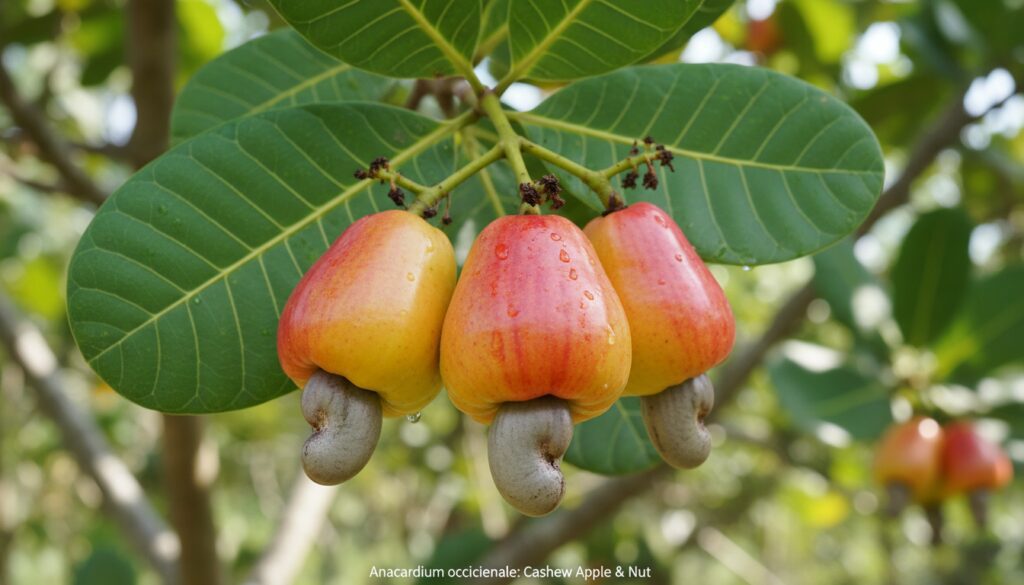
The Power Duo: Unveiling the Health Benefits of Cashew Nuts and Their Remarkable Fruit
In the vast world of nutritional powerhouses, the cashew stands out, not just for its distinctively kidney-shaped nut, but also for its often-underestimated, vibrantly colored fruit – the cashew apple.
Originating from Brazil and widely cultivated in tropical regions globally, the cashew tree (Anacardium occidentale) offers a dual bounty that provides a spectrum of health benefits for the human body. Beyond their culinary versatility, both the nut and the fruit are packed with essential nutrients, making them invaluable additions to a balanced diet. This article delves into the profound ways cashews and their fruits contribute to human health, exploring their nutritional profiles and specific health advantages.
The Cashew Nut: A Nutritional Powerhouse
The cashew nut, renowned for its creamy texture and rich flavor, is far more than just a delightful snack. It is a dense source of vital nutrients that play critical roles in various bodily functions. A typical serving of cashews offers a significant amount of healthy fats, primarily monounsaturated fatty acids (MUFAs), which are beneficial for cardiovascular health. They are also a good source of plant-based protein, dietary fiber, and a remarkable array of vitamins and minerals.
Key nutrients found in cashew nuts include:
- Minerals: Magnesium, phosphorus, copper, zinc, manganese, and selenium.
- Vitamins: B vitamins (B1, B5, B6), and Vitamin K.
- Antioxidants: Anacardic acids, cardanols, and cardols.
This unique blend of nutrients underpins the numerous health benefits associated with regular cashew consumption.
Heart Health and Cardiovascular Support
One of the most significant benefits of cashew nuts is their positive impact on heart health.
The high content of monounsaturated fats, similar to those found in olive oil, helps to lower levels of low-density lipoprotein (LDL) cholesterol, often referred to as ‘bad’ cholesterol, while potentially increasing high-density lipoprotein (HDL) cholesterol, or ‘good’ cholesterol.
Magnesium, abundant in cashews, is crucial for maintaining healthy blood pressure and preventing cardiovascular diseases. Additionally, the antioxidants present help reduce oxidative stress and inflammation, further protecting the heart and blood vessels.
Bone Strength and Density
Cashews are excellent for bone health, thanks to their rich mineral profile. Magnesium and phosphorus work in synergy to promote bone formation and maintain bone density. Copper, another essential mineral found in cashews, is vital for the synthesis of collagen and elastin, which are critical structural components of bones and connective tissues. Regular intake can contribute to stronger bones and potentially reduce the risk of osteoporosis.
Blood Sugar Management and Diabetes Prevention
Despite their fat content, cashews have a relatively low glycemic index, making them a suitable snack for individuals managing blood sugar levels. The fiber content helps slow down the absorption of glucose, preventing sharp spikes in blood sugar.
Furthermore, the healthy fats and protein contribute to satiety, which can aid in weight management – a crucial factor in preventing and managing type 2 diabetes. Studies suggest that moderate consumption of cashews may even improve insulin sensitivity.
Immune System Boost and Antioxidant Defense
The immune system benefits greatly from the zinc and copper found in cashews. Zinc is essential for the development and function of immune cells, while copper plays a role in antioxidant defense mechanisms.
Selenium and Vitamin E also contribute to the cashew’s antioxidant capacity, helping to neutralize harmful free radicals in the body, reduce cellular damage, and support a robust immune response against infections and diseases.
The Cashew Apple: A Tropical Treasure
Often discarded or overlooked, the cashew apple is the fleshy, pear-shaped fruit to which the cashew nut is attached.
This vibrant, juicy fruit, ranging in color from yellow to red, possesses a unique tangy-sweet flavor and an impressive nutritional profile, particularly in regions where it is cultivated.
The cashew apple is an exceptional source of:
- Vitamin C: Far surpassing citrus fruits in concentration.
- Dietary Fiber: Aids digestion and promotes gut health.
- Antioxidants: Carotenoids, phenolics, and anacardic acids.
- Minerals: Calcium, iron, and phosphorus in smaller amounts.
Its high vitamin C content makes it a powerful immune booster, helping to ward off common colds and infections. The fiber content aids in digestion, prevents constipation, and supports a healthy gut microbiome. Furthermore, the array of antioxidants in the cashew apple contributes to cellular protection, reducing oxidative stress and potentially mitigating the risk of chronic diseases. Some traditional uses also point to its anti-inflammatory properties.
Incorporating Cashews and Cashew Apples into Your Diet
Both cashew nuts and cashew apples can be easily integrated into a diverse diet. Cashew nuts are incredibly versatile: enjoy them roasted as a snack, blend them into creamy cashew butter or milk, add them to stir-fries, salads, or curries, or use them as a base for vegan cheeses and desserts.
Cashew apples, when available fresh, can be eaten raw, juiced, or used to make jams, preserves, and fermented beverages. Their distinct flavor adds an exotic twist to culinary creations.
Potential Considerations and Allergies
While cashews offer numerous health benefits, it’s important to consume them in moderation due to their calorie density.
Like all nuts, cashews can trigger allergic reactions in some individuals, ranging from mild symptoms to severe anaphylaxis. Raw cashews contain urushiol, a compound also found in poison ivy, which can cause skin irritation; however, commercially available cashews are typically roasted or steamed to remove this compound, making them safe for consumption.
Conclusion
The cashew tree truly offers a gift to human health, presenting both a highly nutritious nut and an incredibly beneficial fruit. From bolstering heart and bone health to boosting immunity and aiding in blood sugar management, the comprehensive nutritional profiles of cashew nuts and cashew apples make them invaluable components of a healthy lifestyle.
Embracing this power duo can lead to significant improvements in overall well-being, proving that sometimes, the best health solutions come in small, delicious packages.
This article was generated using the Buzz AI Growth Engine. Try it for yourself and start generating content today!
Great article! I suggest everyone should go visit a country where they can sample this delicious fruit straight from the tree.
I am interested in this product and found that it is sold on line. How fresh the fruit is questionable. However there is a product that is frozen fruit pulp which may be worth trying. I am thinking I will try it in the New Year.