
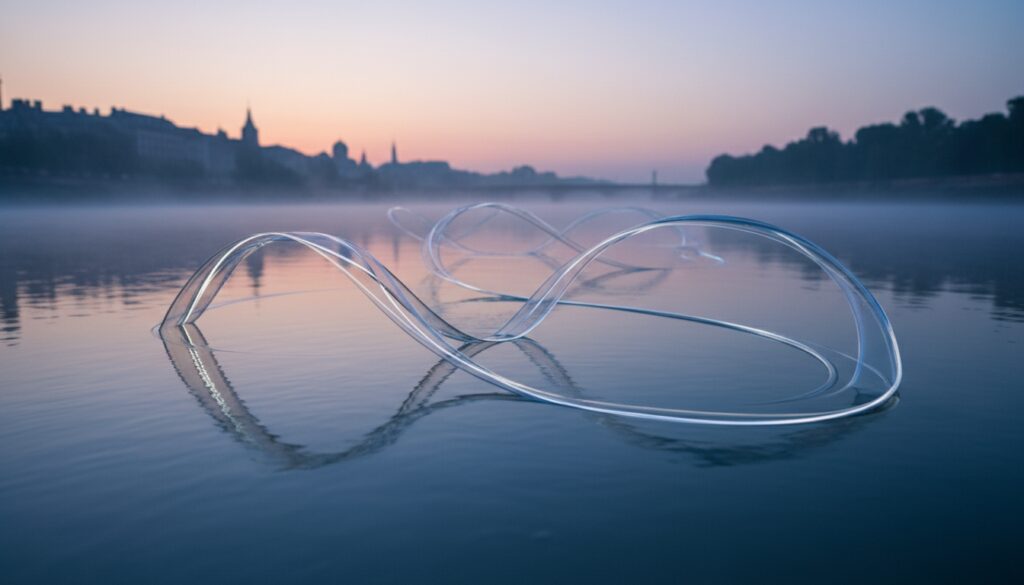
Visualizing the Waltz: Crafting Video Pictures for Johann Strauss’s ‘The Blue Danube’
Johann Strauss II’s ‘The Blue Danube’ is more than just a waltz; it’s an auditory journey, a vibrant tapestry of sound that has captivated audiences for over a century. Its soaring melodies, graceful rhythms, and inherent romanticism evoke vivid imagery in the mind’s eye. But what if we could translate this auditory masterpiece into a tangible visual experience? How does one create ‘video pictures’ that not only accompany but truly embody the essence of ‘The Blue Danube’?
This endeavor is a fascinating blend of artistic interpretation, technical skill, and a deep understanding of both music and visual storytelling. It’s about transforming sound waves into light waves, rhythm into motion, and emotion into color and form. Let’s explore the multifaceted approach to bringing this iconic waltz to life through video.
Deconstructing ‘The Blue Danube’: Understanding the Soundscape
Before any visual element can be conceived, a thorough immersion in the music is paramount. ‘The Blue Danube’ is characterized by its:
- Tempo and Rhythm: The classic 3/4 waltz rhythm provides a natural pulse for visual pacing. The initial slow, unfolding introduction gives way to the lively, flowing main themes.
- Melody and Harmony: The instantly recognizable melodies are often sweeping and romantic, while the underlying harmonies provide depth and emotional context.
- Instrumentation and Dynamics: The interplay of strings, woodwinds, brass, and percussion offers opportunities for visual representation. Crescendos can be depicted with expanding visuals, diminuendos with receding ones.
- Emotional Arc: The waltz progresses through various moods—from serene beginnings to joyous climaxes, moments of introspection, and grand finales. Each shift presents a new visual cue.
Beyond the technical aspects, consider the cultural and historical context. ‘The Blue Danube’ is synonymous with Viennese elegance, grand balls, and the flowing river itself. These associations offer rich thematic material for visual exploration.
Conceptual Approaches: From Literal to Abstract
When translating music to visuals, there are several conceptual pathways:
1. Literal Interpretation: The River and the Waltz
The most direct approach involves visualizing the literal ‘Blue Danube’ river. This could include:
- Scenic Footage: Drone shots of the Danube river, time-lapses of its flow, or historical footage of Vienna.
- Dancers: Elegant couples waltzing in grand ballrooms, evoking the social context of the music.
- Nature Imagery: Flowing water, sunrises/sunsets over a river, reflections, and the natural beauty of the Danube’s banks.
This approach is accessible and provides a clear narrative, but it’s crucial to avoid cliché and inject originality through unique camera angles, editing styles, or subtle artistic touches.
2. Abstract Interpretation: Colors, Shapes, and Motion
For a more artistic and less literal take, abstract visuals can be incredibly powerful. This involves translating musical elements into:
- Color Palettes: The ‘blue’ in the title is an obvious starting point, but consider the emotional range. Serene blues and silvers for calm passages, vibrant golds and reds for climaxes, or a shifting spectrum to represent the music’s journey.
- Shapes and Forms: Organic, flowing shapes can mimic the river’s movement or the dancers’ rotations. Sharp, geometric forms might represent more defined musical phrases or dramatic moments.
- Motion Graphics: Abstract particles, light trails, flowing lines, and evolving patterns can respond directly to the music’s tempo, dynamics, and pitch. A rising melody could be visualized with upward-moving elements, a sudden accent with a burst of light.
This method allows for greater creative freedom and can evoke a deeper, more emotional connection to the music without being tied to specific real-world imagery.
3. Emotional Interpretation: Storytelling Through Mood
This approach focuses on the feelings evoked by the music, crafting a visual narrative around those emotions. ‘The Blue Danube’ can evoke joy, nostalgia, grandeur, longing, and celebration. Visuals could tell a story of:
- Romance: A visual narrative of two lovers meeting, dancing, and falling in love.
- Journey: A visual odyssey through changing landscapes, representing the music’s progression.
- Celebration: Festive scenes, fireworks (metaphorical or literal), and expressions of pure delight.
The key here is to select visuals that resonate with the emotional core of each musical phrase, building a cohesive emotional arc throughout the piece.
Tools and Technologies for Visualizing Sound
The modern creative landscape offers an array of tools to bring these concepts to life:
- Video Editing Software: Adobe Premiere Pro, DaVinci Resolve, Final Cut Pro. These are essential for assembling footage, syncing to music, and applying effects.
- Animation and Motion Graphics Software: Adobe After Effects, Blender, Cinema 4D. Ideal for creating abstract visuals, 3D elements, and complex motion graphics that react to audio.
- Generative AI Tools: Emerging platforms like Midjourney, Stable Diffusion, RunwayML, and Kaiber are revolutionizing visual creation. Prompts can be crafted to generate images or even short video clips that embody specific moods, colors, or styles. These can then be edited and synced.
- Audio Visualizers: Software designed to create real-time visual responses to audio input. While some are basic, advanced tools can offer sophisticated, customizable visual effects.
- Stock Footage and Asset Libraries: Websites like Shutterstock, Pexels, and Artgrid offer a vast collection of high-quality video clips, images, and motion graphics that can be adapted and integrated.
The Creative Process: A Step-by-Step Guide
Deep Listening and Annotation:
Listen to ‘The Blue Danube’ multiple times. Jot down what each section evokes: colors, emotions, images, movements. Mark key transitions, crescendos, and melodic peaks.
Concept Development and Storyboarding:
Based on your chosen conceptual approach (literal, abstract, emotional), develop a clear vision. Create a storyboard or a detailed shot list, mapping specific visual ideas to musical segments. Consider the overall narrative arc.
Asset Gathering and Creation:
Source or create your visual assets. This might involve filming new footage, designing motion graphics, generating AI art, or selecting stock elements. Ensure all assets align with your chosen aesthetic and mood.
Editing and Synchronization:
Import all assets into your video editing software. The most crucial step is syncing. Visual cuts, transitions, and movements should align precisely with the musical beats, tempo changes, and dynamic shifts. Experiment with different editing rhythms – sometimes a slow, flowing cut works, other times a sharp, percussive edit is needed.
Color Grading and Effects:
Apply color grading to unify your visuals and enhance the mood. Use effects (e.g., blurs, glows, particles) sparingly but effectively to emphasize musical moments or create specific atmospheres.
Refinement and Feedback:
Watch your ‘video picture’ repeatedly. Does it flow? Does it capture the essence of the music? Is the synchronization flawless? Seek feedback from others to gain fresh perspectives and make final adjustments.
Conclusion: A Symphony for the Eyes
Creating video pictures for Johann Strauss’s ‘The Blue Danube’ is an artistic challenge that rewards creativity and technical precision. It’s about more than just putting images to music; it’s about translating the intangible beauty of sound into a tangible, immersive visual experience.
Whether you choose to evoke the literal flow of the Danube, the abstract dance of colors and forms, or the emotional sweep of a romantic narrative, the goal remains the same: to honor the enduring legacy of this magnificent waltz and offer a fresh, captivating way for audiences to experience its magic. So, take a deep dive into the music, unleash your visual imagination, and let ‘The Blue Danube’ waltz across your screen.
This article was generated using the Buzz AI Growth Engine. Try it for yourself and start generating content today!
This is a very interesting article.
Using A I. And other modern software tools definitely opens up a whole range of exciting avenues for new ideas and creations.